In a quiet corner of Rockford, Illinois, a transformation is happening. It’s not fueled by the latest medical technology or a headline-grabbing new therapy. Instead, it’s powered by something more foundational: faith, discipline, and the profound belief in second chances. This is the world of RU Recovery Ministries Schools of Discipleship, a residential program where the battle against addiction is fought with Bibles, mentors, and the structured rhythm of daily purpose.
More than a treatment center, it’s a intentional community—a "greenhouse for the spirit," as they put it. For six months, men and women live, work, and grow together, trading cycles of addiction for a curriculum of spiritual and personal rebuilding. Let’s explore the philosophy, the people, and the proven path that makes this Illinois program a distinct destination for those seeking real change.
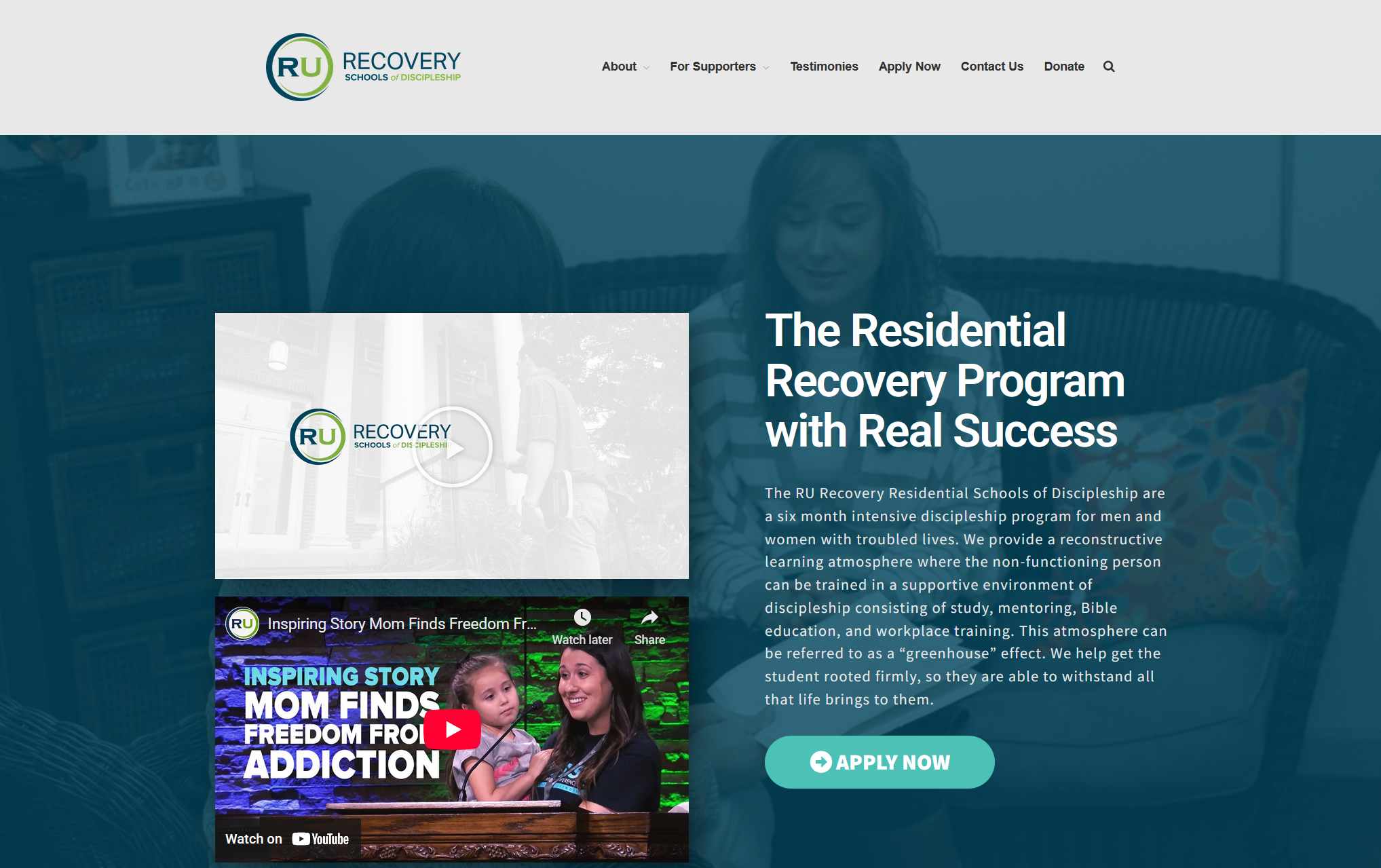
The organization's website serves as the primary hub for information, applications, and support, reflecting its mission of faith-based recovery.
The Foundation: Mission, Mentor, and Method
The mission is clear and unwavering: to help individuals overcome addiction and troubled lives through Christian discipleship. Founded by Steve Curington and now overseen by President Paul Kingsbury, the program’s credibility is rooted in over two decades of refinement. This isn’t a generic self-help course; it’s a specific, faith-based methodology developed from deep within the recovery ministry movement.
The core offering is a six-month residential program, with separate, dedicated campuses for men and women. The men’s facility is a 55-bed space, while the women’s campus has been recently remodeled, ensuring a focused and supportive environment for all participants.
The Program Pillars: The structure rests on three interconnected pillars:
- Spiritual Education: Daily devotions, chapel services, Bible study, and prayer groups form the program's backbone. The goal is spiritual renewal, providing what the organization describes as "proven spiritual tools" for life.
- Mentoring & Accountability: Each resident receives an individually tailored mentoring plan. Progress isn’t a mystery; regular reports are shared with loved ones, weaving accountability and restored relationships into the recovery fabric.
- Workplace Training & Routine: Practical work programs and, for some, college-level classes instill discipline, responsibility, and marketable skills. This prepares residents not just for sobriety, but for a stable, productive future.
A Day Inside the Greenhouse: Structure as Salvation
What does "residential discipleship" actually look like? Imagine a day designed to leave no room for old habits. It begins with personal devotion, moves into group chapel or classes, involves structured work assignments, and includes communal meals and evening groups. This phased approach carefully manages communication and visitation, initially limiting external contact to strengthen internal focus and new foundations.
The partnership with North Love Baptist Church provides a vital community anchor, offering regular church services and a broader spiritual family. The program is also recognized as a faith-based alternative in drug courts across the United States, speaking to its structured credibility within the judicial system.
The Rockford Advantage: More Than a Zip Code
Location matters. RU Recovery Ministries doesn’t just exist in Rockford; it leverages the city’s character as part of its healing environment. The organization highlights Rockford’s vibrant parks, the serene Anderson Japanese Gardens, and cultural institutions like the Rockford Art Museum. This connection to a living, supportive city—beyond the program’s walls—is framed as a therapeutic asset, offering beauty, peace, and a reminder of the world waiting for them.
Leadership and Distinction
The program stands as the only residential treatment facility officially sanctioned by RU Recovery Ministries, using the original curriculum crafted by founder Steve Curington. Under the board leadership of Paul Kingsbury, it maintains a clear, singular focus. While not a medical clinic, its credentials are its faith-based curriculum, its longevity, and its reported success rates of 40-60%, which it attributes to studies on faith’s role in sustained recovery.
| Feature | Detail |
|---|---|
| Program Name | RU Recovery Ministries Schools of Discipleship |
| Location | 333 E. State Street, Suite 201, Rockford, IL 61104 |
| Contact | Phone: (815) 986-0460 / (866) 733-6768 |
| Program Length | Up to 6 months, residential |
| Leadership | Founded by Steve Curington; Overseen by Paul Kingsbury |
| Core Focus | Faith-based recovery through discipleship, mentoring & work training |
| Key Partnership | North Love Baptist Church |
| Unique Aspect | The only officially sanctioned RU residential program |
A Path Forward, Grounded in Faith
The final, critical phase is aftercare. Recognizing that recovery continues beyond residence, the program builds a detailed, confidential aftercare plan for each graduate. This plan, coupled with the support network and spiritual tools developed, aims to bridge the gap between the program’s greenhouse and the outside world.
RU Recovery Ministries presents a specific, unapologetically spiritual answer to addiction. It’s for the individual who believes their recovery must involve spiritual transformation, who thrives on clear structure, and who seeks a clean break within a supportive community. In a landscape of recovery options, it stands as a dedicated, disciplined, and faith-filled pathway back to life.
Frequently Asked Questions
1. What is the success rate of the RU Recovery Ministries program? The organization cites studies on faith-based recovery that show success rates between 40% and 60%. They emphasize that "success" is measured by sustained recovery and life transformation, not merely short-term sobriety.
2. How much does the 6-month residential program cost? While specific fees are not listed publicly, the organization operates a Student Assistance Fund funded by donations to help eligible participants. They encourage all potential applicants to contact admissions directly to discuss financial options and arrangements.
3. What is the daily schedule like for a resident? The day is highly structured, combining spiritual, educational, and practical components. It typically includes morning devotions, chapel services, Bible-based classes, work program assignments, group meetings, and personal mentoring sessions, with specific phases governing communication and visitation privileges.
4. Is the program only for substance abuse addiction? While the primary focus is on substance abuse recovery, the program is designed for men and women seeking to overcome "addiction and troubled lives." This broader mission can include other life-controlling issues, with the core solution being spiritual discipleship and personal accountability.
5. How does the program’s faith-based approach differ from secular rehab? The fundamental difference is the central role of Christianity. Recovery is framed as achieving a "victorious Christian life." The tools, mentoring, and education are all rooted in biblical principles, and spiritual growth is considered the primary engine for lasting personal change, rather than a supplementary component.
6. Can family send mail or visit residents? Yes, but within a structured policy to support the program's phases. The mailing address is the main Rockford office. Visitation is permitted but is typically limited and scheduled, increasing as a resident progresses through the program phases, emphasizing earned privileges.
7. Does the program offer any job placement assistance after graduation? Through its workplace training program and the discipline of its work assignments, the program aims to build strong habits and references. While not a traditional job placement service, the practical skills and stability gained are designed to make graduates reliable candidates for employment as part of their aftercare plan.
8. What happens if someone struggles or relapses during the program? The individual mentoring model is key here. Mentors work closely with residents, and the program environment is designed for accountability and immediate peer support. The response would be tailored to the individual, likely involving intensified spiritual counseling, mentor meetings, and a recommitment to the program's principles, viewing struggles as part of the growth process.
Ready to learn more or begin an application? The journey starts with a conversation. Reach out to the admissions team at admissions@reformu.com or call 866-733-6768 to explore if this path is the right fit for you or your loved one.